
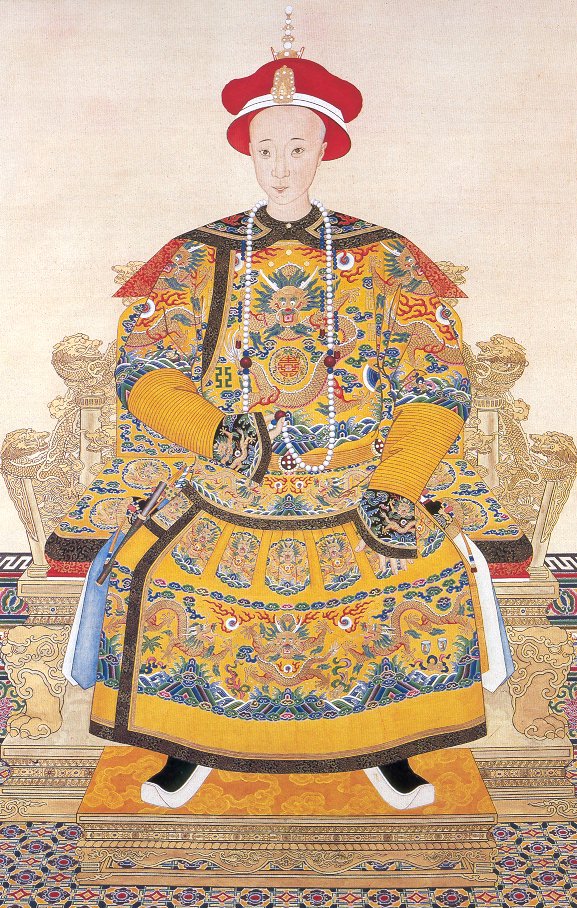
Tongzhi Emperor

via Wikipedia: Guangxu Emperor · see source
- field
- Emperor
- nationality
- Qing dynasty
- known_for
- Tongzhi Restoration; reign overshadowed by Empress Dowager Cixi
Verified Timeline
Lore & Background
The only surviving son of the Xianfeng Emperor and Empress Dowager Cixi, the Tongzhi Emperor ascended the throne at age five under a regency headed by his biological mother, Empress Dowager Cixi, and his legal mother, Empress Dowager Ci'an. His father's choice of regent, Sushun, was removed in favor of this partnership.
Reader's Guide
The emperor's personal rule was brief and ineffective; he showed no interest in governance and was outmaneuvered by the dowager empresses. His death without a male heir led to a succession crisis, resolved by the appointment of his three-year-old cousin, Zaitian, as the Guangxu Emperor, with the dowager empresses resuming regency. The Tongzhi Emperor's life and reign illustrate the limited agency of a child emperor under a powerful regency and the challenges of reform in a declining dynasty.
Did You Know?
- The Tongzhi Emperor was the only surviving son of the Xianfeng Emperor and Empress Dowager Cixi.
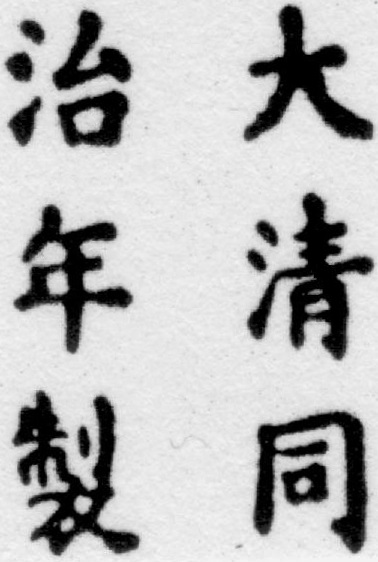
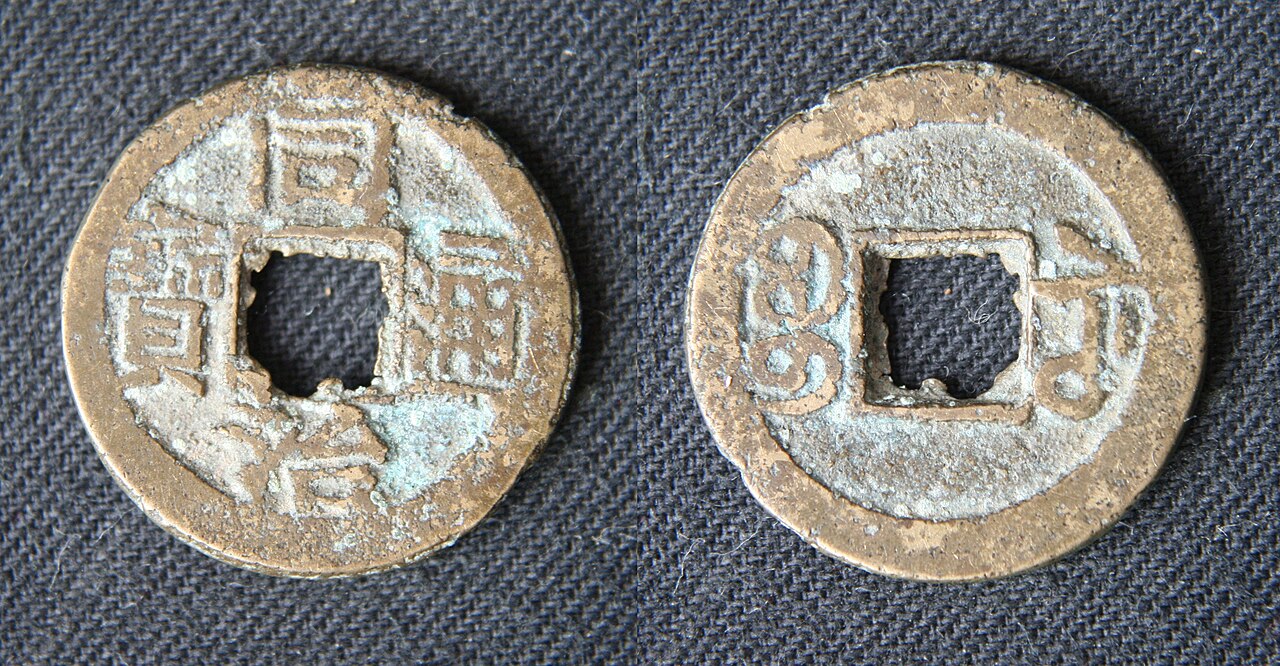
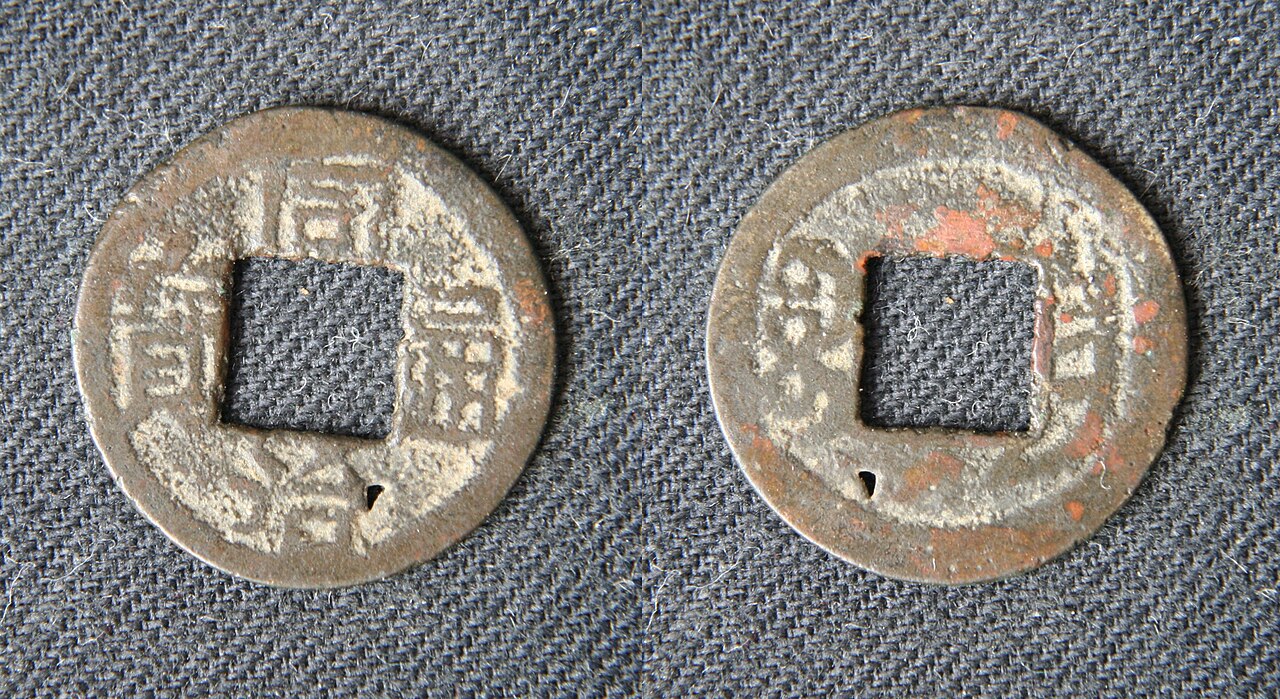
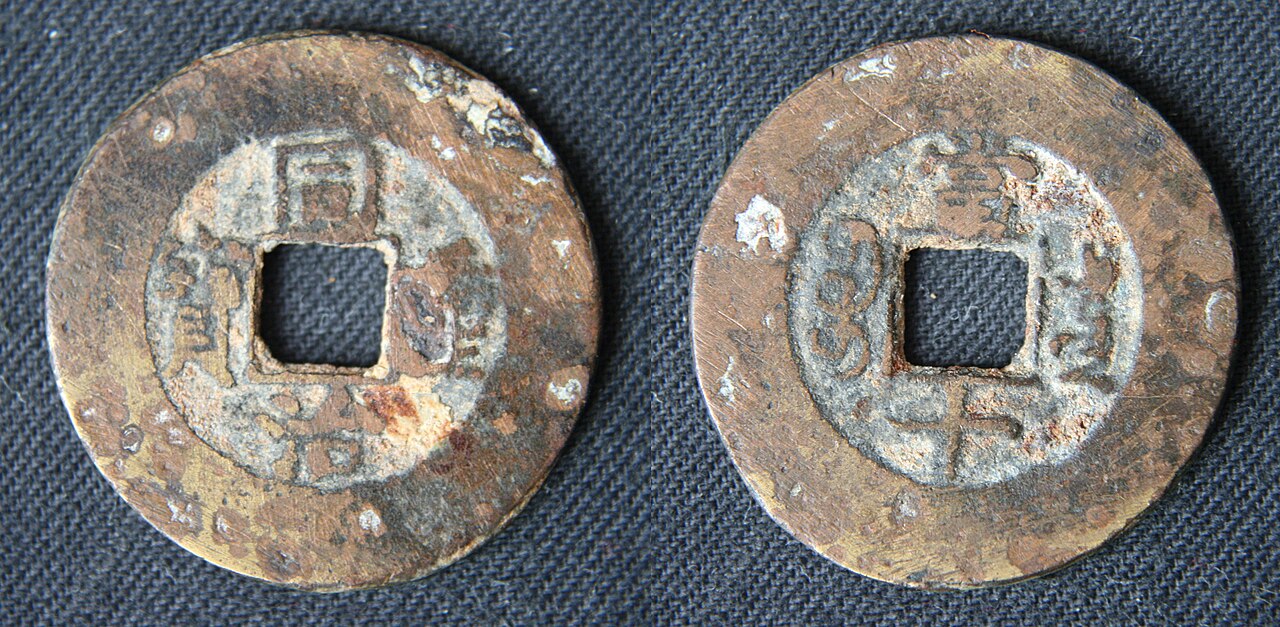
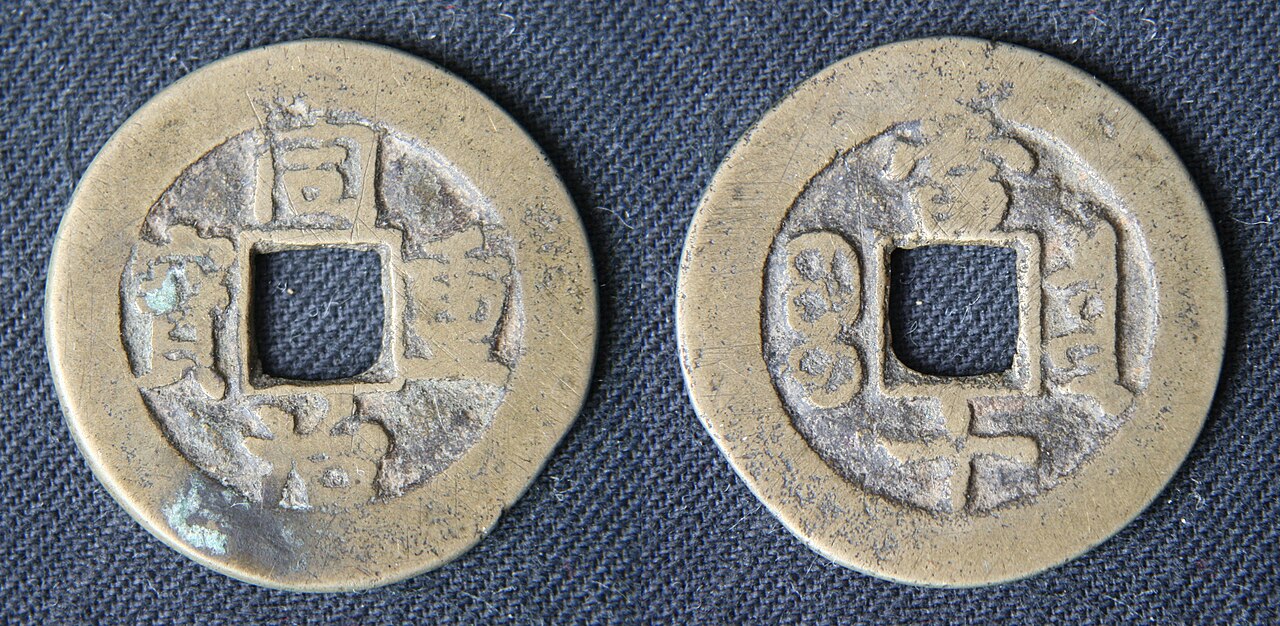
- His era name was originally proposed as 'Qixiang' but was later changed to 'Tongzhi', meaning 'order and prosperity'.
- He died of smallpox at age 18, leaving no male heir, which contravened Qing dynastic custom.
- His double first cousin, Zaitian, assumed the throne as the Guangxu Emperor.
The Boy on the Throne: Accession and Formative Years
Zaitian was born on 14 August 1871, the second son of Prince Chun and Yehenara Wanzhen, which made him Cixi's nephew and the Daoguang Emperor's grandson. His road to the throne was shaped by crisis: when his cousin Tongzhi died without a son in January 1875, Cixi and Ci'an broke the convention requiring a successor from the generation below the late ruler. The two sons of Prince Gong were passed over as distrusted influences on the deceased emperor. At three years old, Zaitian was chosen—partly for his blood tie to Cixi, partly because his father was regarded as a scholar with patriotic convictions. He ascended on 25 February 1875 and adopted the regnal name Guangxu, meaning a continuation of splendor. Beginning in 1876, the tutor Weng Tonghe guided him through calligraphy, the Four Books, and the Chinese, Mongolian, and Manchu languages. The boy showed remarkable self-discipline, insisting on walking through snow and declaring frugality more valuable than wealth, yet Weng also recorded his mood swings and reluctance to attend lessons. When Ci'an died in 1881, leaving Cixi as sole regent, the nine-year-old was observed with swollen eyes and poor concentration, while court eunuchs exploited his vulnerability.
The Hundred Days' Reform and the Struggle for Power
Between 1889 and 1898, Guangxu briefly held genuine ruling authority, a window that would define his legacy. Confronted with a dynasty in visible decline, he turned to reformist intellectuals Kang Youwei and Liang Qichao to draft a sweeping program of modernization. The Hundred Days' Reform aimed to reverse the empire's losses, and among its more sensitive objectives was the removal of Cixi from the political stage. The initiative, however, collided with the entrenched interests of the conservative ruling elite and failed to win the loyalty of the military. In late 1898, Cixi gathered the reform's opponents and orchestrated a coup that crushed the program and reasserted her dominance. Guangxu was stripped of his ruling powers and confined to the Yingtai Pavilion within the Zhongnanhai compound, where he remained under what amounted to virtual house arrest for the rest of his life. The episode marked the definitive end of any realistic prospect that the emperor could govern independently, and it cemented Cixi's grip on Qing politics until her own death.
A Dynasty Losing Ground: War and Diplomatic Isolation
Guangxu's reign became a catalogue of military setbacks that steadily eroded the Qing Empire's sovereignty and prestige. The Sino-French War of 1884–1885, fought over influence in Vietnam, ended with the French destroying the Chinese fleet at Fuzhou, patrolling southern China's coast without obstruction, and occupying part of Taiwan. Vietnam's status as a Chinese tributary was terminated, a loss that rippled outward: Britain followed by ending Burma's tributary relationship in 1886, and Japan did the same in Korea. The peace negotiations were handled by Viceroy Li Hongzhang, other Beijing ministers, and Robert Hart, head of the Chinese Maritime Customs. Notably, Guangxu had never personally received foreign diplomats in the capital up to that point; it was only in August 1886 that his father Prince Chun hosted a dinner for the diplomatic corps. The First Sino-Japanese War and the Boxer Rebellion further compounded the empire's losses, each conflict chipping away at the already fragile authority of a court whose emperor was increasingly sidelined by his own regent.
Death, Poison, and the Final Chapter
Guangxu's life ended as shrouded in controversy as much of his reign. He died on 14 November 1908 without ever fathering a child, and the cause of death was determined to be arsenic poisoning—a finding that casts a long shadow over the final months of his confinement at the Yingtai Pavilion. His temple name, Emperor Dezong of Qing, was assigned posthumously, and he was interred in the Chongling mausoleum at the Western Qing tombs. As the tenth and penultimate emperor of the Qing dynasty, and the ninth to actually govern China proper, Guangxu occupied a singular position in imperial history: a ruler chosen by political necessity, educated under the watchful eye of a powerful dowager, granted a brief window of independent authority, and then locked away for the remainder of his days. His reign, spanning the closing decades of the nineteenth century into the early twentieth, witnessed the collapse of tributary relationships, the failure of reform, and the final unraveling of a dynasty that would fall within a few short years of his death.
Gallery
Frequently Asked Questions
What was the Tongzhi Restoration?
The Tongzhi Restoration was a modernization program launched during the Tongzhi Emperor's reign that sought to reform China's institutions and infrastructure. Historians generally regard it as an unsuccessful effort that did not achieve its broader goals.
Who really held power during the Tongzhi Emperor's reign?
Although he was the nominal sovereign, the Tongzhi Emperor's authority was heavily constrained by Empress Dowager Cixi, who effectively governed the court on his behalf. His reign, spanning his adolescence, was largely defined by her dominant role in state affairs.
Why is the Tongzhi Emperor significant in Qing history?
His reign represents a transitional window in the late Qing, sitting between the upheaval of the Taiping Rebellion and the broader Self-Strengthening era. The modernization drive associated with his name stands as an early, if ultimately unsuccessful, attempt to adapt the empire to changing global pressures.
More in Monarchs And Rulers Of Asia 1-20
Related in Monarchs And Rulers Of Asia
Links follow this subject's own source article.
Spotted an error? Know more?
This is a living reference — every entry is fact-audited, and reader corrections feed straight into our audit queue. Suggest an edit · See this site's audit record