
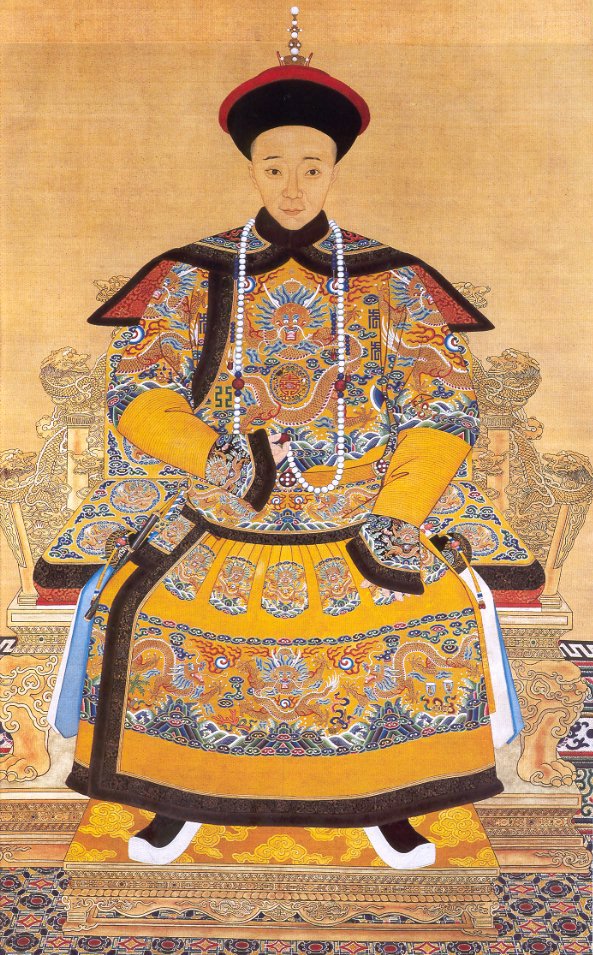
Xianfeng Emperor
Eighth Qing emperor; last to rule alone amid rebellions and war.

via Wikipedia: List of Chinese monarchs · see source
He was the last Chinese emperor to exercise sole power, reigning during a period of severe internal rebellions and foreign military defeats.
- field
- Monarch
- nationality
- Qing dynasty (Manchu)
- known_for
- Last Chinese emperor to exercise sole power; reign marked by Taiping Rebellion, Nian Rebellion, Second Opium War, and cession of Manchuria to Russia
Verified Timeline
Lore & Background
Yizhu's literary and administrative abilities surpassed most of his brothers, leading his father to choose him as successor. These revolts ravaged large areas and caused millions of deaths, persisting into his successor's reign.
Reader's Guide
The emperor fled to Jehol, where his health declined rapidly. The Xianfeng Emperor's legacy is one of an empire in steep decline, with rebellions and foreign incursions that would not be resolved until after his death.
Did You Know?
- The Xianfeng Emperor was the last Chinese emperor to exercise sole power.
- On his deathbed, he appointed eight regents for his six-year-old son, but they were ousted months later in the Xinyou Coup.
The Burden of Legitimacy
The Xianfeng Emperor, like every Chinese monarch before him, ruled under the weight of the Mandate of Heaven—a doctrine that granted permission from the heavens to govern as long as one did so effectively. This mandate also cast the ruler as the Son of Heaven, bestowing the right to govern all under heaven. Yet the mandate was inherently subjective, meaning no single mechanism guaranteed a ruler's claim. From the Zhou dynasty onward, monarchs employed a toolkit of strategies to shore up their legitimacy: military force, political patronage, institutional reform, and even historical revisionism to justify the dissolution of prior dynasties. For much of imperial history, the philosophical framework of the Five Elements further underpinned claims to the throne. The Xianfeng Emperor existed within this ancient web of justification, where the absence of any formalized succession protocol meant that every accession carried an inherent vulnerability that had to be continually reinforced through governance and narrative.
Names and Titles
The Xianfeng Emperor's identity as a ruler was layered with multiple names, each serving a distinct cultural and ritual function. At birth, he received a personal name, which later became subject to a cultural naming taboo, making it increasingly inappropriate for public use. In its place, a posthumous name was assigned to memorialize his character or accomplishments, while a temple name was established for veneration in ancestor worship ceremonies. Additionally, from the reign of Emperor Wu of Han onward, emperors adopted era names—sometimes called reign mottos—that divided their rule into meaningful segments. However, the Xianfeng Emperor belonged to the Qing dynasty, and Qing rulers, like those of the preceding Ming, were referred to solely by their single era name. This singular designation became the primary lens through which historians and the public remembered him, collapsing the full complexity of his multiple names into one recognizable title.
A Manchu on the Dragon Throne
The Xianfeng Emperor was a Manchu ruler presiding over a predominantly Han Chinese empire, placing him within a long tradition of non-Han monarchs who governed China. Throughout history, Jurchen, Khitan, Mongol, Tangut, and other non-Han peoples had claimed the Chinese throne, each facing the challenge of legitimizing their rule in a cultural context that often emphasized Han identity. To bridge this gap, non-Han rulers sometimes aligned themselves with the Confucian sages, invoking the moral authority of China's most revered philosophical tradition. Others turned to the Chakravarti concept from Chinese Buddhism, presenting themselves as universal monarchs in a religious framework. The Xianfeng Emperor inherited this complex diplomatic and cultural positioning, where his Manchu heritage was not a barrier to the throne but required active engagement with the intellectual and spiritual vocabularies that Chinese political legitimacy had traditionally demanded.
The Final Chapter of an Era
The Xianfeng Emperor's reign fell within the Qing dynasty, the last of China's imperial dynasties, which endured from 1644 until the system's collapse in 1912. His rule was part of a continuous thread stretching back to Qin Shi Huang, who first unified China and adopted the title Huangdi—a designation that persisted for over two millennia. The Qing emperors, like the Ming before them, were identified solely by their single era name, a naming convention that marked them as the final holders of a title whose origins lay in the third century BCE. After the imperial system's fall, brief restoration attempts—such as the Empire of China in 1915–1916 and the Manchu Restoration of 1917—revealed how deeply the imperial concept remained embedded in the political imagination, even as the institutional framework that had sustained it for over two thousand years was permanently dismantled.
Gallery
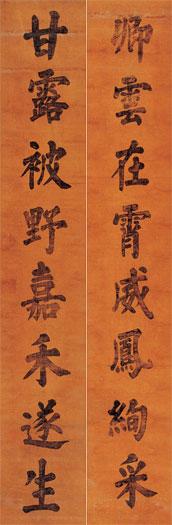
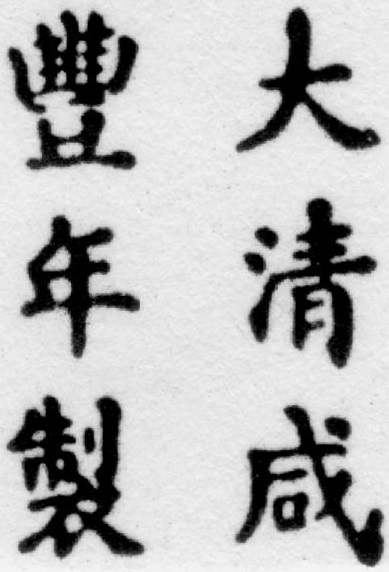
Frequently Asked Questions
What made the Xianfeng Emperor's authority unique?
He is remembered as the last Chinese emperor to exercise sole, undivided power over the empire. After his reign, Qing rulers increasingly shared or lost real authority to regents, foreign powers, or internal factions.
More in Monarchs And Rulers Of Asia 1-20
Spotted an error? Know more?
This is a living reference — every entry is fact-audited, and reader corrections feed straight into our audit queue. Suggest an edit · See this site's audit record